
"Christian coffee history"
200 article(s) found

Introduction to the characteristics of Coffee Flavor and taste in Cliff Manor, Jamaica
(1) Jamaica Labour Party (JLP): the ruling party. Founded in July 1943. The Party Constitution stipulates that the party is founded on the basis of healthy Christian principles and adheres to the highest ideal of democracy. Objectively, it tends to protect the interests of workers and the weak in society, advocate safeguarding the respective rights of workers and employers and developing the private economy. From 1962 to 1972, 198

The origin and development history and culture of the fresh and rich Phoenix Manor fine coffee beans
Costa Rica's high latitudes produce coffee beans famous in the world, rich, mild taste, but extremely sour, coffee beans here are carefully processed, it is because of this, only high-quality coffee. Tarasu, south of San Jos, Costa Rica's capital, is one of the country's most prized coffee plantations. Tarrazu in the World

Looking for Coffee: a long Journey Coffee Culture History
In the early days when coffee was introduced into Europe, most people used traditional dripping or distillation to make coffee. There was no Italian coffee at that time, but coffee went deep into every family and became the best drink in daily life. At the beginning of the 20th century, an impatient engineer in a coffee shop near Napoli, Italy, was impatient with dripping coffee for too long.

History of Coffee planting early introduction and expansion of Coffee in China
1. The introduction of Ruili Jingpo Nongxian Coffee was recorded in 1914. In April 1996, it was compiled by the compilation Committee of Ruili City Chronicles of Yunnan Province. The fifth coffee section on page 383 of Ruili City Chronicles published by Sichuan Dictionary Publishing House recorded that as early as 1914, the Jingpo people have been introduced from Myanmar to Nongxian Township for cultivation. Yunnan Provincial Chronicles, Volume 39, Chapter 3 of the Local Series of the people's Republic of China

A brief introduction to the Origin, Development, History and Culture of Fine Coffee beans in Fenghuang Manor
Coffee was introduced into Costa Rica from Cuba in 1729. Today, its coffee industry is one of the well-organized industries in the world, with a yield of 1700 kg per hectare. Costa Rica has only 3.5 million people but 400m coffee trees, and coffee exports account for 25 per cent of the country's total exports. The volcanic soil of Costa Rica is very fertile and well drained, especially in the central part.

A brief introduction to the Origin, Development, History and Culture of Fine Coffee beans in Huofenghuang Manor
Excellent Costa Rican coffee is called extra hard beans, and this kind of coffee can grow at an altitude of more than 1500 meters. Altitude has always been a problem for coffee growers. The higher the altitude, the better the coffee beans, not only because the higher altitude can increase the acidity of the coffee beans and thus increase the flavor, but also because the night temperature at the higher altitude is lower, which can make the trees grow slowly.

The spread and Development of Coffee History
The spread and development of coffee European historians argue that there were artificially grown coffee trees for trade in Yemen in the southern Arabian Peninsula as early as 800 years ago, and there is also historical evidence that at that time, there was indeed trade across the Red Sea between Yemen and Ethiopia. Based on this, it is speculated that if the use of coffee is made by Ethiopians

The origin of the latte the cultural history of fancy coffee
Latte is the transliteration of Italian Latte. Latte (CoffeeLatte) is a kind of fancy coffee. The ultimate blend of coffee and milk, Italian latte is pure milk and coffee, American latte will replace milk with milk foam, most of the local lattes are like this. The latte comes from the famous saying that I am not in the cafe. On the way to the cafe, I am a musician in Weiya.
The History of Italian Coffee the Origin of latte
Latte is the transliteration of Italian Latte. Latte (CoffeeLatte) is a kind of fancy coffee. The ultimate blend of coffee and milk, Italian latte is pure milk and coffee, American latte will replace milk with milk foam, most of the local lattes are like this. The latte comes from the famous saying that I am not in the cafe. On the way to the cafe, I am a musician in Weiya.

Dior Singapore New Creative Cafe Dior Dior Coffee pop-up Coffee Cafe how much is a cup of new drink?
Dior has built a pop-up coffee shop in this country! According to Yahoo News on October 21st, French fashion brand Dior Dior opened a flash coffee at the TheCliffordPier restaurant at the FullertonBayHotel Hotel in Singapore.
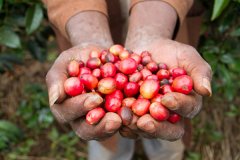
The origin of the history of lattes in Italian coffee? What's the story of the latte?
The origin of the latte the famous saying that I was not in the cafe was said by a musician in Vienna on the way to the cafe. The air of Vienna is always filled with the smell of music and Latte coffee. The first person to add milk to the coffee was Kochsky of Vienna, who also opened the first coffee shop in Vienna. This is from 1683.

The origin of the history of lattes in coffee? What's a latte? How is the latte made?
The origin of the latte the famous saying that I was not in the cafe was said by a musician in Vienna on the way to the cafe. The air of Vienna is always filled with the smell of music and Latte coffee. The first person to add milk to the coffee was Kochsky of Vienna, who also opened the first coffee shop in Vienna. This is from 1683.
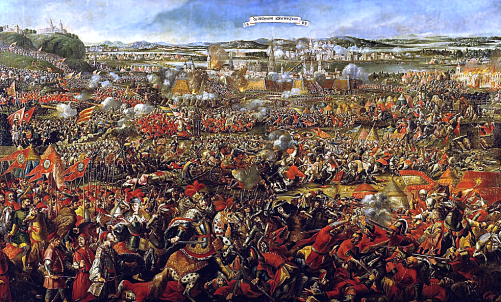
Tea or coffee? Look at the changes in the history of British drinks, the struggle for supremacy of tea coffee!
Professional baristas Please pay attention to the Coffee Workshop (official Wechat account cafe_style) over the years, Britain's national image has been inseparable from tea. When most people think of England, they think of afternoon tea. However, this impression may be out of date, because after the new millennium, more and more British people have actually given up their quintessence tea.
Chinese tea and western coffee culture-2
(3) the unity of heaven, earth and man in tea culture and coffee culture the dichotomy of tea culture is the Taoist theory of the unity of heaven, earth and man. Taoism believes that heaven, earth and man are equal and should adapt to nature and take the initiative to understand the law, so that people can get the greatest satisfaction. Tea comes from the forest of the mountains, receives the essence of heaven and earth, and bears the rain and dew of abundant soil, which contains Taoism's indifference, serenity and return to nature.
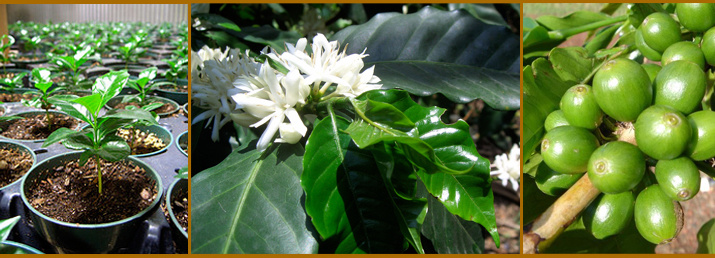
The basic knowledge of coffee beans the history and origin of coffee
The History of Coffee and the History of Coffee Coffee is now an indispensable drink in our lives, but in the long journey of looking for coffee, we can seem to feel countless passion and adventurous romance. How on earth did coffee, quietly grown in the depths of the quiet forest, be discovered and widely accepted all over the world? And how to open it.

Introduction to the varieties of Jamaican Blue Mountain Coffee with sour, bitter, Sweet, Alcohol and other flavors
(1) Jamaica Labour Party (JLP): the ruling party. Founded in July 1943. The Party Constitution stipulates that the party is founded on the basis of healthy Christian principles and adheres to the highest ideal of democracy. Objectively, it tends to protect the interests of workers and the weak in society, advocate safeguarding the respective rights of workers and employers and developing the private economy. From 1962 to 1972, 198
The History of Coffee introduction and expansion in China in the early stage (1)
1. The introduction of Ruili Jingpo Nongxian Coffee was recorded in 1914. In April 1996, it was compiled by the compilation Committee of Ruili City Chronicles of Yunnan Province. The fifth coffee section on page 383 of Ruili City Chronicles published by Sichuan Dictionary Publishing House recorded that as early as 1914, the Jingpo people have been introduced from Myanmar to Nongxian Township for cultivation. Yunnan Provincial Chronicles, Volume 39, Chapter 3 of the Local Series of the people's Republic of China

History of introduction and expansion of Coffee in early China (1)
1. The introduction of Ruili Jingpo Nongxian Coffee was recorded in 1914. In April 1996, it was compiled by the compilation Committee of Ruili City Chronicles of Yunnan Province. The fifth coffee section on page 383 of Ruili City Chronicles published by Sichuan Dictionary Publishing House recorded that as early as 1914, the Jingpo people have been introduced from Myanmar to Nongxian Township for cultivation. Yunnan Provincial Chronicles, Volume 39, Chapter 3 of the Local Series of the people's Republic of China

Coffee Culture Influence: Chinese Tea and Western Coffee Culture
(3)Tea culture of heaven, earth, human unity and coffee culture of heaven and man dichotomy tea culture is heaven, earth, human unity taoist doctrine. Taoism believes that heaven, earth and man are equal, and should adapt to nature and actively understand the law, so that people can get the greatest satisfaction. Tea is produced in the forest of the mountains. It receives the essence of heaven and earth and the rain dew of abundant earth. It contains Taoism's indifference, tranquility and return to nature.
A comparison between Chinese Tea and Western Coffee Culture
(3) the unity of heaven, earth and man in tea culture and coffee culture the dichotomy of tea culture is the Taoist theory of the unity of heaven, earth and man. Taoism believes that heaven, earth and man are equal and should adapt to nature and take the initiative to understand the law, so that people can get the greatest satisfaction. Tea comes from the forest of the mountains, receives the essence of heaven and earth, and bears the rain and dew of abundant soil, which contains Taoism's indifference, serenity and return to nature.